
2026 Background Check Laws: What You Need to Know

Updated: Feb 16
Criminal background check laws are changing rapidly in 2026. “Clean Slate” and “Fair Chance” reforms are tightening regulations on when you can run checks, what you’re allowed to see, and how you can use the results.
This guide from Global Background Screening (GBS) breaks down the biggest 2026 updates in plain language for both employers and applicants. We also explain what we’re doing on our end so you can stay compliant without becoming a legal expert.
Criminal Background Check Laws: Key Changes for 2025–2026
Across the U.S., several trends are reshaping background screening:
More “Fair Chance” / Ban-the-Box rules:
Washington State is tightening when you can ask about criminal history (only after a conditional offer).
Shorter “lookback” windows & more sealed records:
Philadelphia is cutting the misdemeanor lookback period from 7 years to 4 years. Washington, D.C. and Virginia are rolling out broad automatic and petition-based record sealing (Clean Slate-style).
Clean Slate laws in general:
Multiple states are automatically sealing certain old or low-level records. This means they should never appear on standard employment background checks once sealed.
✅ For employers, this means your hiring workflow and adverse-action process need updates.
✅ For applicants, it means older records may no longer be visible—but you still need to be honest and prepared.
1. Washington State: Fair Chance Act Amendments (HB 1747)

What the Fair Chance Act (HB 1747) Law Does
Washington’s updated Fair Chance Act (HB 1747) significantly limits when and how employers can look at criminal history:
✅ No criminal history questions or checks until after a conditional job offer.
✅ Stronger restrictions on using arrest records and juvenile records.
✅ New “tangible adverse action” rules: if you deny or fire someone based on a record, you must have a legitimate business reason and document it.
Example for Employers
You’re a WA employer with 25 staff. Starting July 1, 2026, you:
Remove any “Have you ever been convicted…” boxes from applications.
Run a pre-employment background check only after making a conditional offer.
If a serious conviction appears, you:
- Review how old it is, how serious it is, and how it relates to the job.
- Give the candidate a written notice and at least a few business days to respond before final denial.
Example for Applicants
You apply for a customer service job in Seattle. You won’t be asked about your record on the initial application. If something comes up post-offer, you should receive:
A copy or summary of the report
An explanation of why it concerns the employer
Time to respond with context (rehabilitation, incorrect data, etc.)
2. Philadelphia: Shorter Lookback Windows & Expanded Fair Chance Protections

Philadelphia’s latest amendments to its Fair Chance Ordinance go into effect January 6, 2026.
Key Changes
✅ Misdemeanors: Employers can only consider convictions from the last 4 years (down from 7).
✅ Felonies: Still a 7-year lookback from the inquiry date.
✅ More workers protected: Gig workers, independent contractors, and some current employees are covered.
✅ Stronger adverse-action procedures: Updated notices and individualized assessments are required.
Example for Employers
You’re hiring a delivery driver who lives in Philadelphia:
Your background reports must ignore misdemeanor convictions more than 4 years old.
If a recent felony appears, you must consider:
- Nature and gravity of the offense
- Time since the offense/completion of sentence
- Relevance to the job duties
Example for Applicants
If you had a misdemeanor conviction 5 years ago in Philadelphia, it generally shouldn’t be used against you for new jobs covered by the ordinance. You should still:
Answer questions truthfully if an application explicitly asks about convictions within the permitted timeframe.
Keep records of expungements/sealings in case of errors.
3. Washington, D.C.: Second Chance Amendment Act & Automatic Sealing
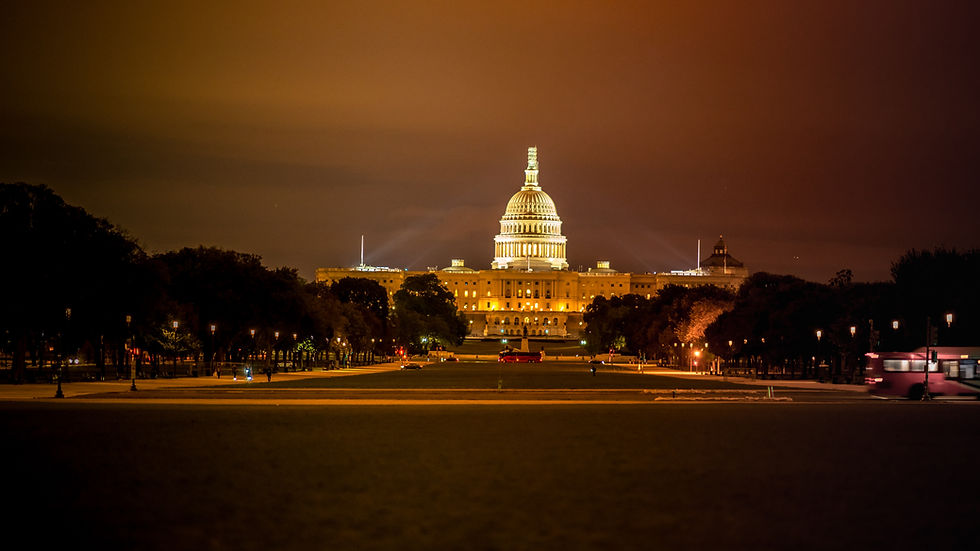
D.C.’s Second Chance Amendment Act created a mix of petition-based and automatic expungement and sealing. Some provisions took effect in 2025; automatic expungements and sealing of certain records ramp up starting January 1, 2026, with older cases processed through 2027.
In Practice, This Means:
✅ Certain arrests without conviction, decriminalized/legalized offenses, and some marijuana offenses will be automatically cleared over time.
✅ Clean Slate-eligible records should not appear on new background checks once the courts and agencies complete the sealing/expungement process.
Example for Employers
If you hire in D.C.:
Your CRA should be continuously refreshing data so sealed D.C. records never appear on new reports.
You should not rely on old PDF copies or spreadsheets of background results that may contain records which are now sealed.
Example for Applicants
If you were arrested years ago in D.C. and the case was dismissed, that record may be automatically expunged or sealed. That doesn’t guarantee every database is perfect, but it significantly reduces the chance of it appearing in a current check.
4. Virginia: 2026 Record-Sealing / Clean Slate Laws

Virginia is implementing a set of laws that expand automatic and petition-based sealing of many criminal records, with core provisions taking effect in 2026 (including around July 1, 2026, per the Virginia State Crime Commission).
Key Points
✅ Some low-level offenses will be sealed automatically after certain waiting periods and if eligibility rules are met.
✅ People can also petition courts to seal specific misdemeanor and felony convictions, subject to clean-record periods (e.g., 7–10 years with no new convictions).
✅ Once sealed, these records normally should not appear on standard employer background checks.
Example for Employers
If you’re recruiting in Virginia:
Expect fewer older, low-level convictions to appear on reports.
Update your policies to focus on recent, job-related conduct, not old mistakes that the law now treats as sealed.
Example for Applicants
If you had a Virginia conviction many years ago and have stayed out of trouble since, you may qualify to have it sealed. Once sealed, it should not show on most employment checks—but talk with an attorney or legal aid group to understand your options.
Clean Slate Laws: Why Employers Can’t “See Everything” Anymore
Clean Slate laws (like those in D.C. and Virginia) are part of a national trend. They’re designed to give people with old, low-level records a second chance, especially in housing and employment.
For Employers, This Means:
You cannot assume that all historical criminal records are reportable.
You may receive “clean” reports because older offenses are now legally sealed and must not be reported.
Trying to dig around sealed records (e.g., using non-FCRA databases) can create legal risk.
For Applicants, It Means:
Some past records are legally “off limits” to most employers.
You still need to answer application questions truthfully, but you may not have to disclose sealed records depending on the wording and local law.
What Employers Should Do Now (2025–2026)

Here’s a practical checklist you can share internally:
Map your hiring locations:
Identify where you have employees, contractors, or gig workers (especially WA, PA/Philadelphia, DC, VA).
Update when you run background checks:
In Washington State, ensure criminal checks and related questions happen only after a conditional offer.
Apply jurisdiction-specific lookback rules:
Set filters so that Philadelphia reports consider misdemeanors only within the past 4 years and felonies within 7.
Respect sealed and expunged records:
Confirm your screening partner is keeping up with D.C. automatic expungement and Virginia record-sealing rules so sealed records aren’t re-reported.
Strengthen individualized assessment and adverse-action steps:
Before denying or terminating based on a record, document:
How recent the offense is
Its seriousness
Use consistent, written adverse-action workflows with pre-adverse notices, waiting periods, and final adverse letters.
Work with an expert CRA:
Partner with a provider that updates rules as laws evolve and supports multi-jurisdiction workflows.
Easy-To-Read Chart on Major 2026 Background Check Updates
Important Disclaimer
This article is for general informational purposes only and does not constitute legal advice. Laws can change, and how they apply to your situation depends on specific facts. Employers should consult with qualified legal counsel about policy changes; applicants should consult an attorney or legal aid organization for advice on their rights and record-sealing options.


